





Hydraulic Component
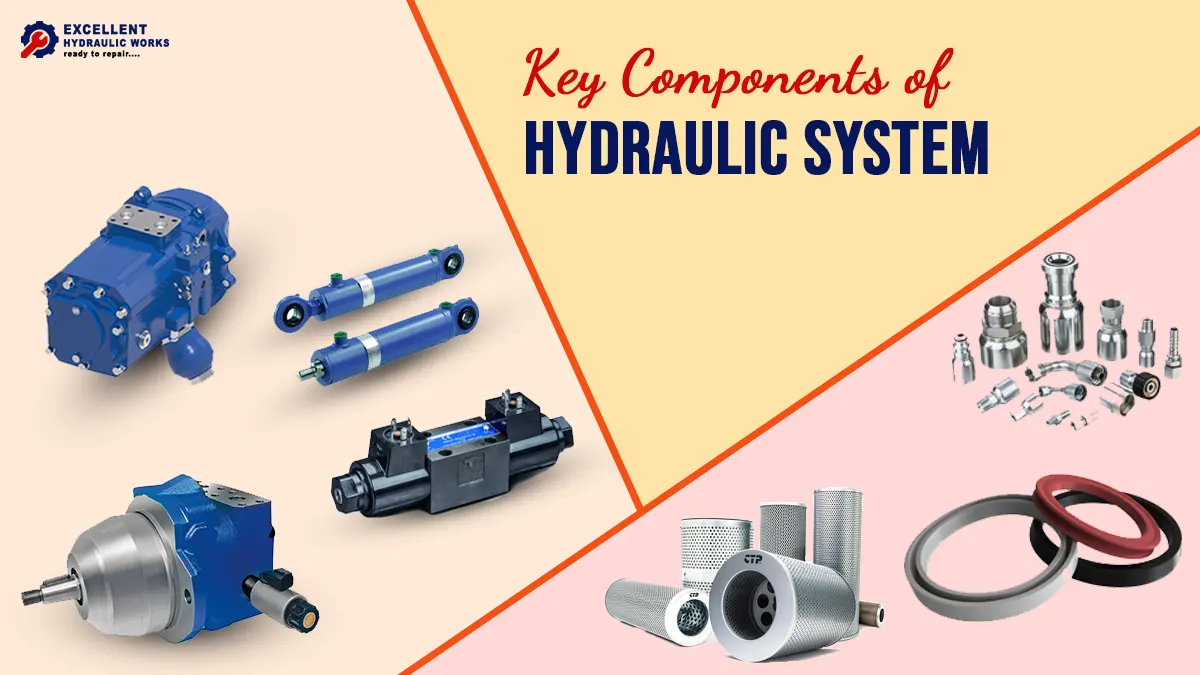
Hydraulic Components are an essential part of a hydraulic system, or you can say building blocks, which are installed during original assembly and make the entire system operational and functional. Pumps, motors, cylinders, valves, filters, hoses, reservoirs, and actuators are the main components of a hydraulic system that work together to create powerful machines used across various industries. If you are building a new hydraulic system or optimising an existing one to make it more efficient, understanding different components will help you to get an optimal performance. As an experienced Hydraulic System Expert, we understand how each hydraulic component works and how to troubleshoot the problems to maintain robust systems.
Services Offered for Various Hydraulic Components
Hydraulic Piston Pumps
Power source of all kinds of hydraulic systems, piston pumps convert mechanical energy into hydraulic energy by pressurising fluid. These are highly used in high-pressure applications and variable displacement control and need to be fixed timely manner for smooth function. We offer hydraulic piston pump repair service with OEM parts for longevity and quick turnaround.
Hydraulic Cylinders
These are the most crucial component of a hydraulic pump that converts fluid pressure into linear motion, the force to move big loads. These are used in everything from excavators to presses. Cylinders come in single-acting and double-acting, depending on whether fluid is applied in one or both directions. It is important to do proper maintenance of the cylinder to avoid leaks, piston wear and reduced efficiency. We offer Hydraulic cylinder repair service to keep your system functioning and minimal downtime.
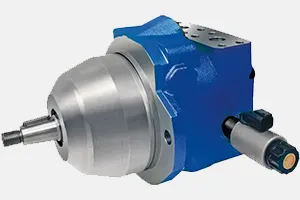
Hydraulic Motors
Another backbone of the hydraulic system is these motors convert hydraulic energy into rotary motion and complement pumps. We offer specialised Repair Service for Excavators spring motors, gear and vane motors of winches, conveyors for all major Hydraulic Motor Brands.
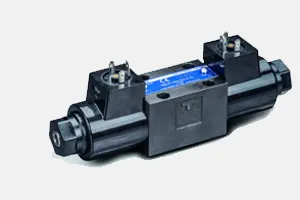
Hydraulic Valves
These components control and direct fluid flow within the system, control pressure, volume and flow direction so each component works as it should. There are several types of valves: pressure relief valves, directional control valves and flow control valves. Each type does a specific job, whether it is preventing pressure overloads or directing fluid to the right cylinder at the right time.
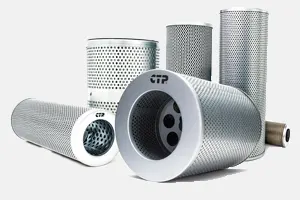
Hydraulic Filters
Even microscopic particles will cause wear and tear and system failure, so filters are important to remove contaminants from the fluid, from damage to sensitive components. Regular filter changes and monitoring for contamination will extend the life of the entire hydraulic system.
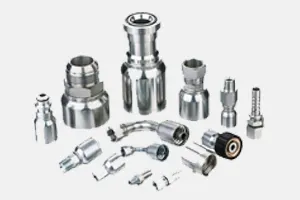
Hoses and Fittings
Hoses and Pipes carry pressurised hydraulic fluid throughout the system, while fittings connect various components together. These have the capacity to bear high pressure and resist leaks in the system. If you are in the construction or mining industry, then you need to be extra careful with the right hose material and fitting design to prevent failures.
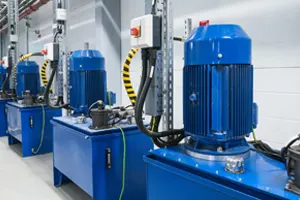
Hydraulic Reservoirs and Accumulators
Reservoirs store the hydraulic fluid and allow thermal expansion and circulation of fluid. Accumulators store pressurised fluid and release it when extra force is needed. These components manage fluid volume, prevent pressure spikes and stabilise the system during rapid load changes.
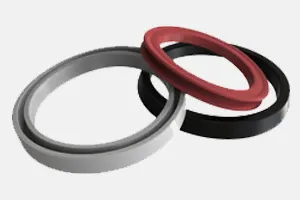
Seals & O-rings
Tiny parts made with durable elastomeric materials are critical components designed to prevent fluid leakage, deal with high pressure and friction. Seals are used to prevent hydraulic fluid from leaking out of cylinders or pumps and keep contaminants from entering the system. O-rings are simple, circular gaskets that are used between two mating parts to form a fluid-tight seal with a perfect groove. These are important parts as they seal joints, fittings, valves, and cylinders to prevent leaks and maintain pressure in hydraulic systems.
Common Hydraulic Component Failures and Troubleshooting
We offer Diagnosis, Maintenance and Troubleshooting for all kinds of hydraulic components. To get an initial quote, you must have some knowledge to identify the issue and get an expert solution for the same. Find some common failures that occur in your system, and also the best troubleshooting tips.
Valve Sticking or Not Opening/Closing If a hydraulic valve gets stuck or won’t switch, the whole system can be affected. This is often caused by fluid contamination or wear and tear. Flushing the system and replacing worn valve parts will get it working again. Using clean, high-quality hydraulic fluid will help prevent valve issues in the future.
Cylinder Rod Scoring and Seal Leaks Scored piston rods and worn seals will cause hydraulic cylinders to lose pressure and leak fluid. This reduces the cylinder’s force output and will cause equipment to malfunction. Polishing the rod surface and replacing the damaged seals will get the cylinder working again. Proper rod alignment and regular lubrication will prevent scoring in the future.
Hose Cracking and Burst Failures Hydraulic hose components are always exposed to constant pressure and environmental stress. Over time they will crack or weaken and burst. A burst hose can cause serious injury and massive fluid loss. Replace hoses at the first sign of wear and choose the right hose for your application for safety and reliability.
Accumulator Pressure Loss or Seal Failure If an accumulator doesn’t hold pressure then it is likely the seal is damaged or there is an internal gas leak. This means it can’t stabilise pressure and provide back up power. Check seals and pre-charge pressure to prevent unexpected accumulator failure.
Clogged Filters and Restricted Fluid Flow Dirty or clogged filters restrict fluid flow and make pumps work harder as well as components get overheated. This can lead to rapid wear and system breakdown. Replace filters at regular intervals and monitor fluid cleanliness to prevent blockages which will keep the system running smoothly.
Why Trust Us for Your Hydraulic Component Repairing Service?
Years of Industry Experience and Technical Knowledge We have years of hands-on experience working with hydraulic systems in many industries for Popular Hydraulic Pump Brands. We know the demands of heavy machinery, industrial equipment, and mobile hydraulics, so we can provide solutions for every application.
Good Quality OEM Parts and Replacements We only use original or OEM hydraulic components or equivalent parts to keep your system running like new. Whether you need a new valve, cylinder, hose, or accumulator, we have good-quality components that will last.
Advanced Diagnostic and Repair Capabilities Our workshop is equipped with the latest diagnostic tools to pinpoint the issue. We do thorough inspections, pressure tests and component analysis to ensure accurate repairs.
Customised Maintenance for Long-Term System Health We offer customised maintenance programs to keep Hydraulic Systems for Industries running smoothly. Regular inspections, fluid analysis and proactive component replacement can stop unexpected downtime and extend the life of your equipment.
Transparent Pricing and Open Communication We believe in open and honest service. You will get a clear breakdown of costs, repair time and component options. No hidden fees, no upselling, just reliable service you can trust and a 6 to 12 month warranty on every hydraulic component serviced.
FAQs
What are the key applications of Hydraulic Components?
With high ability to generate, control and transmit powerful forces, hydraulic components are the backbone of various machinery along industries and applications such as construction, manufacturing and industrial automation, agriculture, automotive, mining, aviation, marine and logistics.
Can hydraulic components be repaired, or should they be replaced?
Many components can be repaired or rebuilt. The decision of replacement or refurbishment depends on damage severity. You must visit a hydraulic expert to get the right diagnosis and expert advice for a cost-effective solution.
Is using OEM parts for hydraulic repairs necessary?
To ensure compatibility and reliability, OEM parts are very effective for hydraulic system repair. These can be costly, but maintaining uptime and operability, and high-quality aftermarket parts can also be effective for short-term results.
How do I identify if a hydraulic component needs repair?
Signs of repair in a hydraulic component can be unusual noises, leaks, reduced performance, slow response, or unexpected system behaviour. In case of such signs, you must call for a repair expert.
What are the key functions of Hydraulic Components?
Hydraulic systems are complicated networks of bits that work together to make big movements. Pumps and motors get all the glory, but the real strength of the system lies in the support bits that keep the pressure, direct the fluid flow, and make it all work. Hydraulic components are the mechanical parts that transmit power and control motion by using pressurised hydraulic fluid. These components work in harmony to produce, direct, and utilise fluid power for a wide range of operations.
